
Published January 26, 2026
You May Not Want To Skip Over That House That’s Been Sitting on the Market

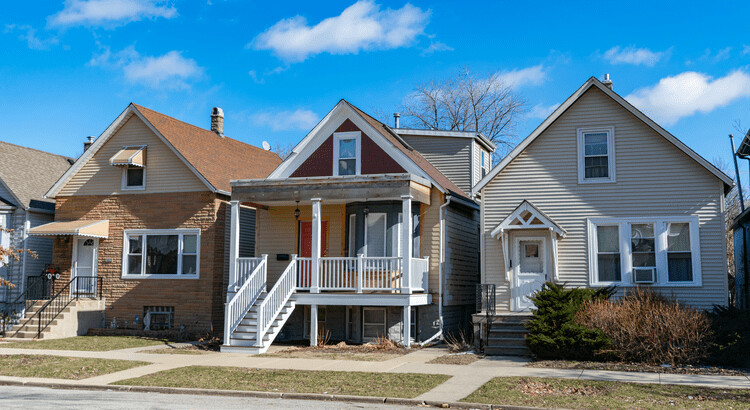
You May Not Want To Skip Over That Massachusetts Home That’s Been Sitting on the Market
When you see a home in Massachusetts that’s been sitting on the market for a while, the reaction is almost automatic. You start wondering:
- What’s wrong with it?
- Why hasn’t anyone bought it yet?
- Am I missing something?
That mindset made sense a few years ago. But in today’s Massachusetts housing market, it could cause you to miss a real opportunity.
More Time on Market Isn’t Automatically a Red Flag in MA Anymore
During the height of the market frenzy, homes across Massachusetts were selling in days—sometimes within hours. Anything that didn’t sell immediately raised eyebrows.
But that’s no longer the baseline.
Inventory has increased across many Massachusetts communities, especially in suburban and commuter towns. Buyers have more options, and homes are naturally taking longer to sell. As a result, the average days on market has risen this year.
Around 70+ days on market is actually very normal for this time of year in Massachusetts. It just feels slow compared to the unusually fast pace buyers became used to over the last few years.
That shift alone explains a lot of what you’re seeing. A home sitting longer doesn’t automatically mean there’s something wrong with it—though occasionally, yes, there can be an issue.
More often, it simply means:
- There are more homes for sale in that specific MA town or neighborhood
- The seller priced the home a bit high initially
- The listing photos or marketing didn’t stand out online
- Buyers gravitated toward newer or more updated homes nearby
- The timing wasn’t right when the home first hit the market
None of those are automatic deal-breakers.
What Massachusetts Buyers Often Get Wrong About These Listings
It’s easy to assume a home that hasn’t sold must have hidden problems—but that’s not always true. And if there are issues, they typically surface during inspections, which is valuable information for negotiation.
In many cases, these longer-on-market homes present the best opportunities for price flexibility, credits, or favorable terms, especially compared to brand-new listings that spark bidding wars.
The key is knowing which Massachusetts homes are worth a second look—and which ones truly should be skipped. That’s where working with a local agent matters. A knowledgeable MA agent can review disclosures, pricing history, neighborhood trends, and inspection considerations to help you uncover overlooked opportunities.
Bottom Line
In today’s Massachusetts market, a home sitting on the market isn’t always a warning sign. Sometimes, it’s an opportunity other buyers passed over too quickly.
If you want help identifying which homes are worth a second look—and which ones to avoid—let’s talk.