
Categories
Selling a HomePublished November 18, 2026
Should you accept a contingent offer in Greater Boston Area?

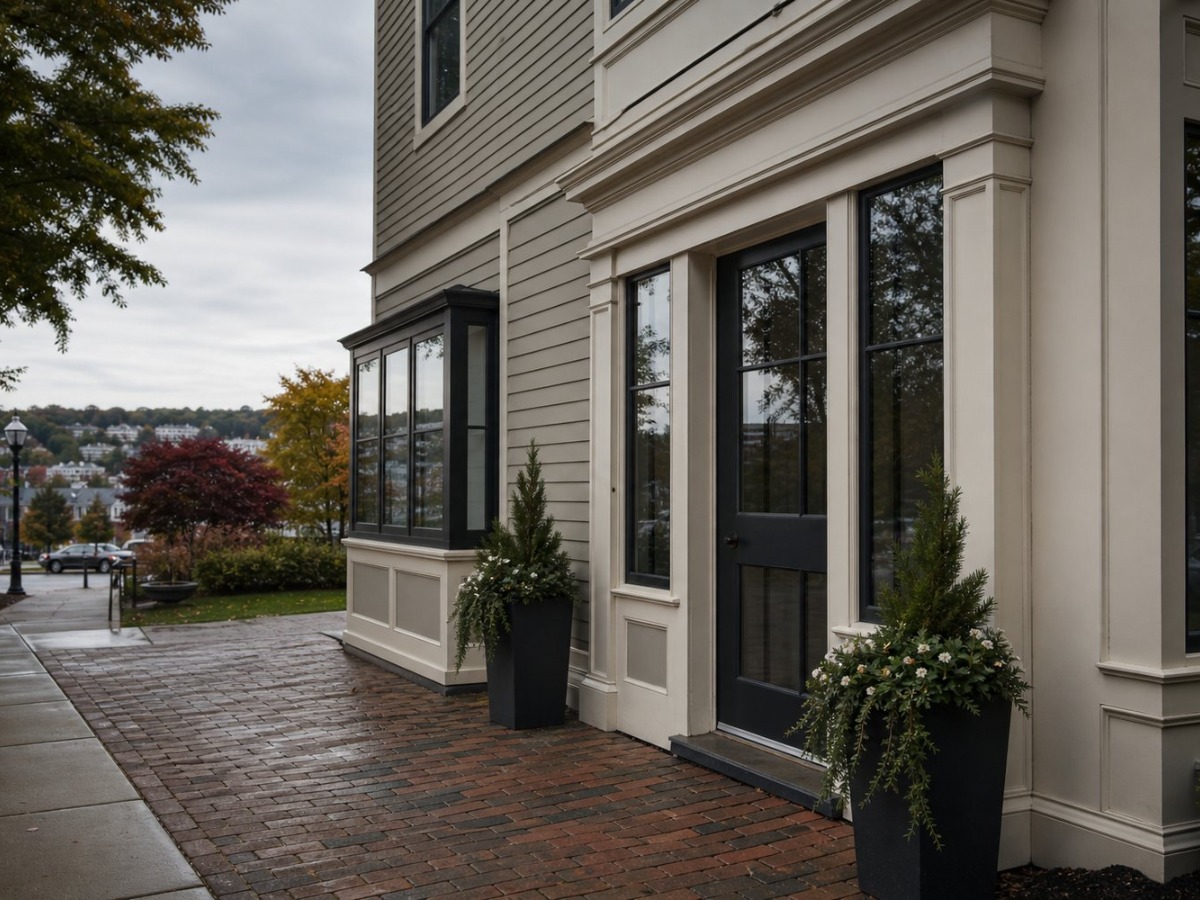
Before you look at price, look at the exit. Every contingency gives the buyer a way out, so ask how likely that exit is, how many days it stays open, and what you can do while you wait. A short, specific contingency from a verified buyer is very different from an open-ended one.
Should You Accept a Contingent Offer in Greater Boston Area?
Should you accept a contingent offer in Greater Boston Area?
Accept a contingent offer in Greater Boston when the contingencies are short, specific, and backed by a buyer who can show they're ready, and when the price makes up for the added risk. A contingency is a contract condition that lets the buyer walk away or renegotiate if something doesn't happen. So you're weighing certainty and timeline, not just the number on the offer. A home-sale contingency carries the most risk, while inspection and financing contingencies with clear deadlines are a normal part of many deals.
Key Takeaways
-
Recent local market data shows Burlington homes sold over roughly the last 90 days went under contract in a median of 13 days, so a contingency that adds several weeks costs you real time.
-
The median sale price for Burlington homes sold over that same 90-day window was $808,000, an area-level figure that says nothing certain about your home's value.
-
Massachusetts guidance says a seller or seller's agent generally may not require or encourage a buyer to waive the right to a home inspection as a condition of accepting an offer.
-
Financing, appraisal, and home-sale deadlines come from the offer and purchase and sale agreement, not from one statewide default, so read the actual dates.
-
The contingency that deserves the hardest look is the home-sale contingency, because your sale depends on a second transaction you don't control.
What is each contingency really asking you to accept?
Each contingency gives the buyer a defined way out of the contract, and your job is to judge how likely that exit is and how long it stays open. We walk our sellers through this before the first offer arrives, because it's much easier to compare terms calmly than at 9 p.m. with a deadline looming.
One thing to know up front: Massachusetts licensing guidance says real estate professionals must convey offers. That means every offer, contingent or not, reaches you. Whether to accept it is your call, made with your agent and your real estate attorney.
Is an offer contingent on the buyer selling their home worth accepting?
Rarely on its own, because your sale now depends on a second sale you can't control. Ask whether the buyer's home is already under agreement, listed and active, or only planned for the market someday. Those are three very different levels of risk.
If you do consider one, look for a stated date by which the buyer must have an accepted offer on their home. Also look for your right to keep showing and marketing your home, and a kick-out provision that lets you move on if a stronger offer arrives. No statewide statute sets one form or deadline for these terms, so they're written into the contract. We cover the buyer's side of this in our post on whether to sell first when buying, and it helps you see why these buyers ask for the condition.
How long should you give a buyer to secure mortgage financing?
Give the shortest window the buyer can credibly meet, and write it as a firm date. We haven't found a verified Massachusetts statutory financing deadline, so this is a negotiated term. Don't let anyone tell you there's one mandatory number.
Compare these items between offers:
-
The buyer's pre-approval or underwriting status
-
Loan type and evidence of the down payment
-
The financing deadline itself
-
Extension language, including who can ask for more time and how many times
A buyer with a full pre-approval and documented funds is a safer bet than one with a casual prequalification letter. Our post on why pre-approval matters so much explains what a strong one looks like.
What happens if the appraisal comes in below the offer price?
It depends entirely on what the offer says the buyer must do. The buyer might be able to terminate, renegotiate, bring extra cash to cover the gap, or proceed anyway. No universal Massachusetts default remedy was verified, so the wording matters.
Look for an appraisal deadline and a clear statement of the buyer's obligation, if any, to cover a shortfall. Our breakdown of what happens when a home appraises below the offer shows how these conversations usually go.
Can you reject an offer because the buyer wants an inspection?
You can reject any offer for your own reasons, but you generally can't require or encourage a buyer to waive their inspection as a condition of accepting it. Massachusetts guidance on residential home inspections says exactly that, subject to limited statutory exceptions. The buyer may still choose not to inspect after receiving the required information.
What you can negotiate is the shape of the inspection period. The state's inspection guidance notes that the parties may agree on a reasonable time limit and reasonable dollar limits for inspection-related requests. Tight, specific language protects you far more than pushing for a waiver.
| Contingency | What to check in the offer | Question to ask |
|---|---|---|
| Home-sale | Is their home listed, under agreement, or not yet listed? Is there a stated date and a right to keep marketing? | How likely is their sale, and can I move on if it stalls? |
| Financing | Pre-approval status, loan type, funds documented, deadline, extension language | Is this buyer verified, and how long can this stay open? |
| Appraisal | Deadline, and whether the buyer can terminate, renegotiate, or cover a shortfall | What happens if the number comes in low? |
| Inspection | Inspection deadline, what happens after a defect is found, any negotiated limits | How and when does the buyer have to respond to findings? |
How do you weigh a contingent offer in Greater Boston against a cleaner one?
Set the contingent offer next to the cleanest alternative and ask what the price gap actually buys you in certainty. If the contingent offer is higher but adds weeks and a real chance of failure, the extra money can disappear quickly, along with the momentum of your launch.
What does the local pace tell you?
Recent local market data shows that Burlington homes sold over roughly the last 90 days went under contract in a median of 13 days. In the same window, 49 Burlington homes sold, and 39 homes were for sale now, 12 of them new in the last 30 days. When well-priced homes move that fast, a contingency that adds several weeks is a different animal than one that adds a few days.
Pace isn't the whole story. Price level matters too, because a higher price gives an appraisal more room to come in short. Here are recent area medians (your home's number depends on condition, street, and timing):
| Area | Median Sale Price |
|---|---|
| Burlington | $808,000 |
| Billerica | $705,000 |
| Woburn | $692,500 |
| Wilmington | $775,000 |
| Chelmsford | $666,500 |
| Reading | $860,000 |
| Stoneham | $790,000 |
| Wakefield | $782,500 |
For a deeper look at your own street, the Greater Boston Association of REALTORS® market data page lists monthly reports on sales, prices, inventory, and days on market. We'll pair that with the active, pending, and sold homes closest to yours.
Is a cash offer always better than a financed one?
No. A cash offer removes the financing and appraisal questions, but a cash buyer can still ask for an inspection period and set other terms. A financed offer from a strongly verified buyer at a better price can beat a thin cash offer. Compare the whole package: price, deadlines, the buyer's proof of funds or pre-approval, and what each side can do if something goes wrong.
How do you compare when more than one offer arrives?
With competing offers, negotiation strategy matters as much as the headline price. A strong contingent offer can often be improved. We might ask for a shorter financing date, firmer extension language, or a kick-out right, and sometimes that turns a good offer into the best one. That's where a calm, experienced hand pays for itself.
What protections should you ask for before you accept?
Ask for specific dates, clear remedies, and proof that the buyer can perform. Then have your real estate attorney review the exact language before you sign. We don't assume any universal timeline from offer to closing, so every date should come from the contract in front of you.
-
Written deadlines: every contingency should have a specific date, a notice requirement, and a stated result if the date passes.
-
Proof of readiness: a current pre-approval and evidence of funds, or for a home-sale contingency, proof of the status of the buyer's own sale.
-
Limits on extensions: who can ask, how long, and how many times.
-
Your right to keep marketing: especially with a home-sale contingency, including a kick-out provision.
-
Clear appraisal terms: what the buyer must do if the appraisal comes in low.
-
Attorney review: have your real estate attorney read the offer and purchase and sale agreement language, rather than assuming a form covers you.
Your answer depends on your price goals, your own move, and how much risk you can live with. That's the part we work through with each seller, and pricing the home correctly from the start, as we explain in how a Greater Boston agent prices and times your sale, tends to bring in better offers with fewer strings.
Want to hear how we've worked with other clients on exactly this? Read our reviews on Google, Zillow, and Realtor.com.
FAQ
Should I accept an offer contingent on the buyer selling their current home?
Only if the terms protect you. Check whether the buyer's home is listed or already under agreement, whether there is a firm date by which they must have an accepted offer, and whether you can keep marketing your home or use a kick-out provision. Without those protections, you may be waiting on a sale that never happens.
Can a Massachusetts seller reject an offer because the buyer wants a home inspection?
You can decline any offer, but you generally can't require or encourage a buyer to waive their inspection as a condition of accepting. State guidance says the parties may negotiate a reasonable time limit and reasonable dollar limits for inspection-related requests. Put those terms in writing instead of trying to remove the inspection.
Can a buyer waive an inspection contingency in Massachusetts?
Yes, a buyer may choose not to conduct an inspection, but that choice belongs to the buyer. According to state guidance, the seller or seller's agent generally may not require or encourage the waiver as a condition of acceptance, subject to limited statutory exceptions. Ask your real estate attorney about the specifics.
What protections should a seller request if accepting a contingent offer?
Ask for firm dates, notice requirements, clear remedies, proof the buyer is ready, limits on extensions, and your right to keep marketing when a home-sale contingency is involved. Have your real estate attorney review the language before you sign. These terms come from the contract, so the details matter more than any general rule.
Can I accept a backup offer while the first offer has contingencies?
Often that's possible, but it depends on what your signed paperwork with the first buyer says, including any limits on your right to keep marketing. Ask your agent and real estate attorney to review it before you commit to a second buyer.
Accepting a contingent offer in Greater Boston Area isn't a yes or no on price alone. It's a judgment about how likely the deal is to close, how long you'll wait, and what you can do in the meantime. We'll help you compare each offer side by side, so you know the real strength of what's on the table.
Ready to see what your home could draw? Get a free home valuation and we'll talk through your options. You can also download our free Seller's Guide.
About Vicky & Paul Kustov
A top-producing Realtor in Massachusetts, Vicky Kustov has served Burlington and the surrounding area for over 20 years, with more than 298 homes sold and over $164,946,610 in sales volume. She holds the CRS, ABR, SRES, and SRS designations and specializes in single-family homes, condos, multi-family homes, teardowns and rehabs, and new construction. Vicky and Paul Kustov are fluent in English and Russian, live in Burlington with their son and Olde English Bulldog, and bring professionalism, creativity, and care to every step of a client's real estate journey.
Elite Realty Experts, LLC · 781-956-7789
Equal Housing Opportunity. Vicky Kustov, Real Estate Sales License, Massachusetts. Each office is independently owned and operated. This article is general information, not legal, tax, or financial advice. Confirm your own situation with your real estate attorney, tax advisor, or lender.

Vicky & Paul Kustov
| Vicky & Paul Kustov Real Estate | Elite Realty Experts, LLC
or another way